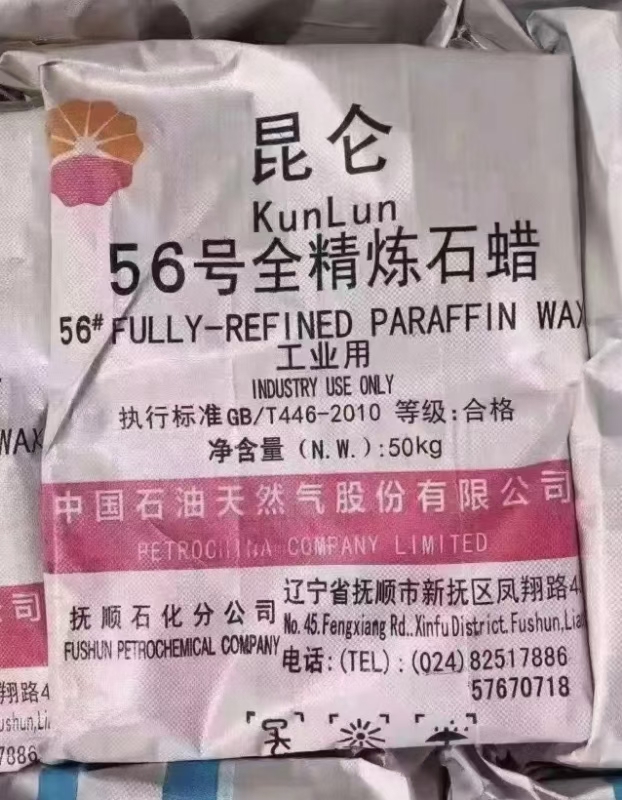
In the world of industrial waxes, 58 Fully Refined Paraffin Wax stands out as a highly sought-after grade. Known for its distinct melting point range of 58°C to 60°C, this petroleum-derived product is celebrated for its high purity, low oil content (typically below 0.5%), and excellent stability. Because it is odorless, tasteless, and chemically stable, it has become a staple raw material across a massive spectrum of global industries.
Here is a comprehensive breakdown of where this versatile wax is used and how its market pricing behaves.
Core Applications: Where 58 Fully Refined Paraffin Wax Shines
The unique balance of hardness, flexibility, and melting point makes 58 fully refined wax incredibly adaptable. Its primary uses span across several key sectors:
1. High-End Candle Manufacturing
While semi-refined wax is often used for basic utility candles, the 58 fully refined grade is the gold standard for premium candles.
Benefits: Its low oil content ensures that candles burn cleanly with minimal smoke or soot.
Aesthetics: It holds fragrances and dyes exceptionally well, resists fading under UV light, and gives the finished candle a smooth, glossy, and flawless surface.
2. Packaging and Paper Coatings
In the packaging industry, moisture is the enemy. 58 fully refined paraffin wax is widely used to coat cardboard, food wrappers, and paper containers. It creates a highly effective moisture-proof barrier, keeping food fresh and preventing packaging from degrading. Because it is fully refined, it meets strict food-grade safety standards.
3. Cosmetics and Pharmaceuticals
Due to its high purity and non-toxic nature, this wax is a frequent ingredient in everyday personal care products. You can find it in:
Lipsticks, lip balms, and lip glosses to provide structure and gloss.
Creams and lotions to act as a thickener and moisture barrier.
Paraffin therapy baths used in spas and physical therapy to soothe muscles and soften skin.
4. Rubber and Plastics Processing
In heavy industry, 58 paraffin wax acts as a crucial processing aid. When manufacturing rubber tires or molded plastics, it serves as an internal lubricant and a release agent, preventing the material from sticking to molds. Furthermore, it migrates to the surface of rubber products over time, creating a protective film that shields the rubber from ozone cracking and aging.
5. Hot Melt Adhesives and Polishes
It is a key component in formulating hot melt adhesives used in bookbinding and packaging. Additionally, its ability to buff to a high shine makes it a core ingredient in floor, car, and furniture polishes.
Market Dynamics: Analyzing the Price Trends
Predicting and understanding the price of 58 fully refined paraffin wax requires looking at a mix of macroeconomic factors and supply-chain realities. Historically, its price is highly dynamic, influenced primarily by three major drivers:
1. Upstream Crude Oil Correlation
As a byproduct of the crude oil refining process (specifically the dewaxing of lube oil distillates), paraffin wax prices are heavily tied to global crude oil benchmarks like Brent and WTI. When oil prices spike due to geopolitical tensions or production cuts, the cost of raw slack wax rises, inevitably pushing up the price of 58 fully refined wax.
2. Refinery Shift toward Synthetic Base Oils
Over the last decade, global refineries have increasingly upgraded their facilities to produce Group II and Group III base oils, which produce far less traditional slack wax as a byproduct. This structural shift in the refining industry has led to a long-term tightening of global paraffin wax supply, putting a consistent upward pressure on prices.
3. Seasonal Demand Cycles
Paraffin wax experiences distinct seasonal price fluctuations:
The Q3/Q4 Peak: Prices typically surge in late summer and autumn as candle manufacturers ramp up production for the winter holiday season (Christmas, Diwali, etc.).
The Q1/Q2 Lull: Demand usually softens in the spring, leading to price stabilization or minor corrections.
4. Environmental Regulations and Shipping Costs
Stringent environmental policies on carbon emissions in major exporting regions (such as China and the middle East) have increased compliance costs for refiners. Additionally, fluctuations in global ocean freight rates heavily impact the landed cost for international buyers.
Summary for Buyers
For businesses relying on 58 fully refined paraffin wax, procurement timing is everything. While it remains an irreplaceable material due to its purity and performance, buyers should expect continued volatility. Keeping a close eye on crude oil trajectories, tracking refinery capacity changes, and locking in volumes ahead of the Q3 holiday rush are essential strategies for navigating this market effectively.